The first 48 hours after a crash
Most of what matters in the two days after a collision isn't legal work. It's a medical visit, a four-day reporting deadline nobody mentions, and photographs you can't go back and take.
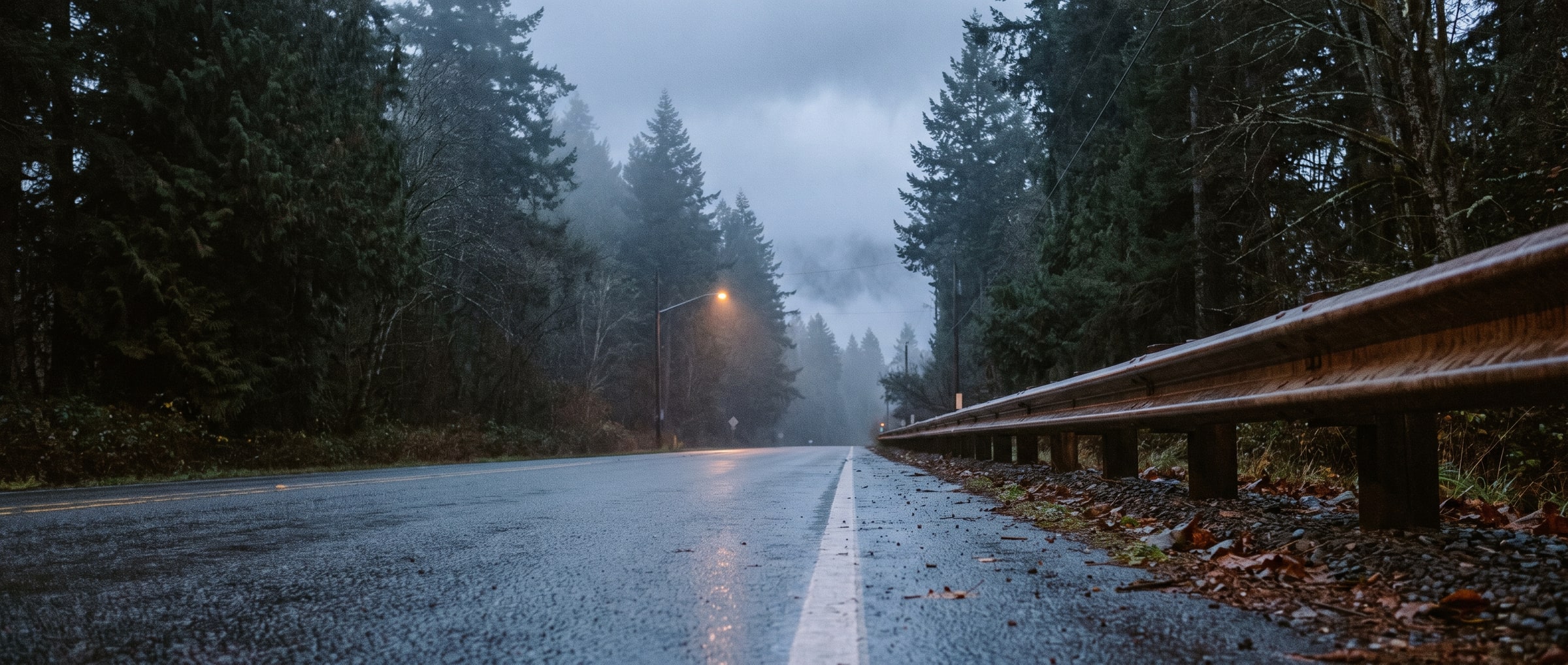
The two days after a collision are when most of the useful evidence still exists and most of the permanent mistakes get made.
Very little of what matters in that window is legal work. Most of it is ordinary, and easy to skip when you are shaken and your car is wrecked and someone needs picking up from school.
What is actually time-sensitive
| What | When |
|---|---|
| Being seen by a doctor | The same day, or the next |
| Filing a collision report, if no officer investigated | Within 4 days |
| Photographing the scene and getting witness details | Before anyone leaves |
| Notice of a claim against a government body | Before suing, then wait 60 days |
| Everything else | Measured in years, not days |
Get looked at, even if you feel fine
Adrenaline hides a great deal, and neck and back injuries commonly announce themselves a day or two later.
There is also a paperwork reason. A gap between the collision and the first medical visit is the first thing an insurer points to, and it is the easiest one to avoid. Going in is for your body and for the record at the same time.
Do you have to file a report?
If an officer came out and investigated, the officer files the report and you do not have to.
If no officer investigated, and there was any injury or damage to any one person's property at or above the State Patrol's reporting threshold — a thousand dollars as things currently stand, though it is adjusted over time — each driver has to file a collision report within four days.
That deadline sits inside the first week, and people miss it constantly. Nobody at the scene tells them it exists.
Photograph far more than you think you need
Every vehicle, where each one ended up, the whole intersection rather than just the damage, skid marks, broken glass and debris, the weather, the light.
A wet road at dusk is not scene-setting. It is often the case.
Ask witnesses for a name and a phone number while they are still standing there. They scatter within minutes and are very hard to find afterward.
Check whether your policy has personal injury protection
In Washington an insurer writing a car policy has to offer it, and you have it unless you turned it down in writing, so a lot of people have it without remembering.
It pays medical bills regardless of who caused the crash, and using it is not an admission of anything.
If the other driver's insurer calls
They may call within a day and ask for a recorded statement. You are not required to give one.
Your own policy probably does require you to cooperate with your own insurer, which is a different company and a different obligation.
Early recorded statements get taken before you know how badly you are hurt. They are read back to you later.
Do not settle fault at the roadside
And do not concede it. In Washington your own share of fault reduces what you can recover in proportion to it; it usually does not erase the claim.
People talk themselves out of a claim in the first 48 hours on the strength of a fault assessment that later turns out to be wrong.
What does not have to be decided this week
Almost nothing else. The deadline for bringing most injury claims in Washington is measured in years, not days.
There is one exception worth knowing about. If the other vehicle belonged to a government body — a city, a county, a transit district, a school district — a claim has to be presented to that entity before a lawsuit can be filed, and sixty days have to pass after presenting it. That is a reason to ask sooner rather than a reason to hurry.
The medical visit and the four-day report are the genuinely time-sensitive items. The rest is simply this: keep the evidence, read anything before you sign it, and do not let the pace of the phone calls set the pace of your decisions.