Fighting back when police cross the line
Officers and prosecutors are supposed to play by the rules, disclose what helps and what hurts, and present evidence honestly. When they don't, real people pay for it.
A fair trial isn't a favor — it's a promise in our Constitution. In Washington courtrooms, officers and prosecutors are supposed to play by the rules, disclose what helps and what hurts, and present evidence honestly. When they don't, real people pay the price.
So I file motions asking courts to hold the government accountable for bad behavior. That is not a gesture. It is the mechanism the system provides, and it works more often than people expect.
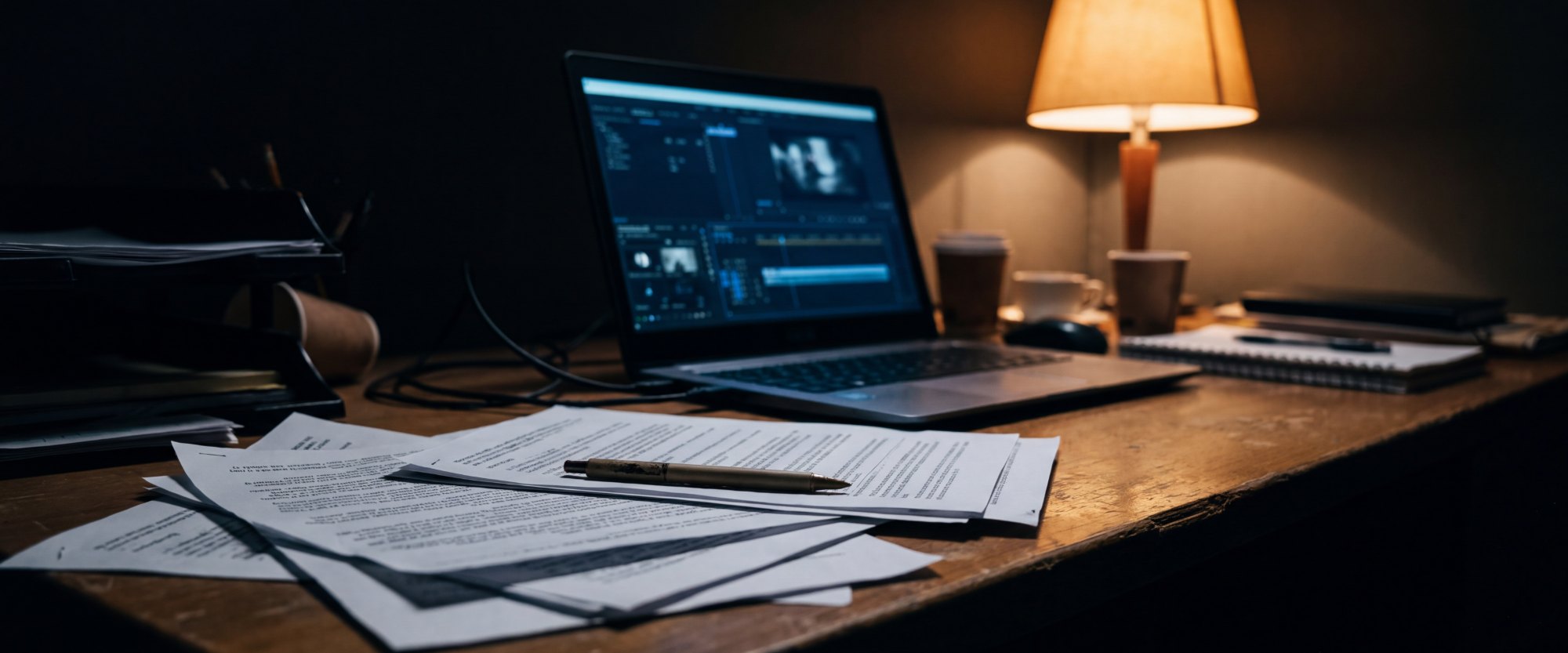
Most of the work is unglamorous comparison. I compare body-worn camera footage to sworn reports, line by line, frame by frame. When the paperwork doesn't match what the video shows, I bring that to the court — not as an accusation but as a documented discrepancy the state has to answer for.
Digital evidence deserves the same treatment. Where evidence has been selectively retained or destroyed, I ask the court to recognize the prejudice that causes. A missing minute of footage is not neutral, and it should not be treated as though it were.
Where the science matters, I work with qualified examiners who can explain what proper forensic procedure looks like — so the jury hears what should have happened alongside what did.
Sometimes the remedy has to be strong. If misconduct makes a fair trial impossible, I move to dismiss under the Washington court rules designed to fix government mismanagement. That is a high bar, and it should be. But it exists, and it is worth asking for when the facts support it.