A win for workers' rights
The Washington Supreme Court overruled an eleven-year-old standard that had made it nearly impossible for workers with latent disease to sue an employer who knowingly exposed them.
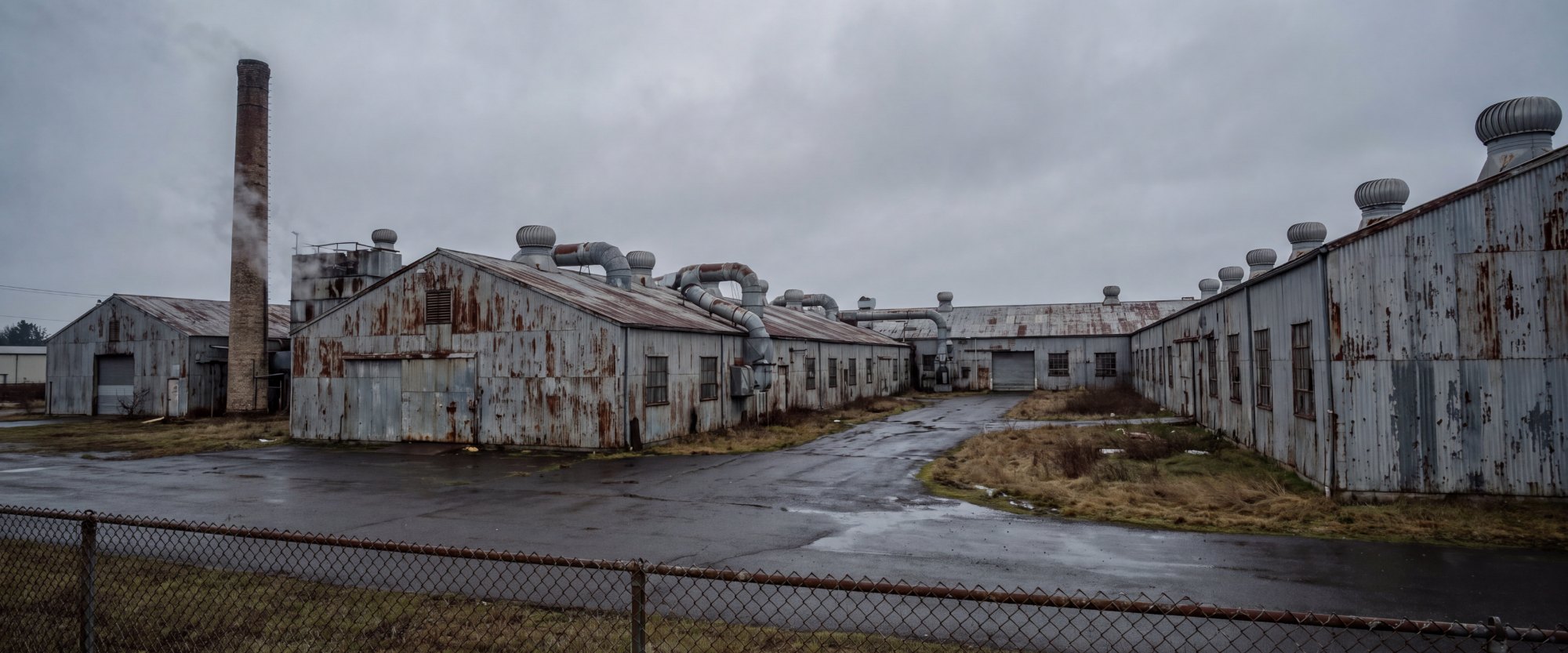
The Washington Supreme Court issued a landmark ruling in Cockrum v. C.H. Murphy / Clark-Ullman, Inc., expanding the ability of workers to hold employers accountable when they deliberately expose employees to dangerous substances like asbestos.
The case involved Jeffrey Cockrum, who spent decades at Alcoa's Wenatchee facility, where asbestos exposure was routine and protective gear was often absent. Years later he developed mesothelioma, a deadly cancer directly linked to asbestos. The company had long been aware of the dangers and chose not to protect its employees.
Ordinarily, Washington's Industrial Insurance Act routes workplace injuries through workers' compensation and shields employers from civil suit. But there is a critical exception: where an employer acts with deliberate intention to injure, an employee can bring a civil action under RCW 51.24.020.
Until now, Washington courts read that exception so narrowly that workers with latent diseases were effectively barred. The 2014 decision in Walston v. Boeing required an employee to prove with absolute certainty that disease would result — an impossible standard that insulated companies even when they knowingly put workers in harm's way.
In Cockrum the Court explicitly overruled Walston, recognizing that an absolute-certainty rule makes no sense for diseases that take years or decades to appear. In latent disease cases, virtual certainty is now enough to establish the employer's actual knowledge. If a company knows from its own records, medical monitoring or prior experience that disease is virtually certain to follow from continued exposure, it cannot hide behind workers' compensation.
This matters beyond asbestos. It means an employer cannot knowingly gamble with employees' health — exposing them to toxic chemicals or other carcinogens — and escape responsibility simply because the resulting illness takes time to surface. The deliberate-injury exception exists to deter intentional wrongdoing, not to protect corporations from the predictable consequences of their own conduct.
We're glad to see it. Workers like Mr. Cockrum, who gave decades of service and were left with a fatal illness caused by deliberate company practice, deserve a real chance at justice.
- Cockrum v. C.H. Murphy / Clark-Ullman, Inc.
- Walston v. Boeing (2014), overruled
- RCW 51.24.020 (opens in a new tab)
- Industrial Insurance Act