Seeing the story in a personal injury case
How we turn lived experience into persuasive evidence — day-in-the-life photographs, video, and the kind of careful listening that surfaces what no medical record contains.
Years ago I attended a small local seminar for lawyers about really seeing our clients — not just reading charts, but understanding the small daily ways an injury reshapes a life. I worked with a videographer that weekend and something clicked. I've always been empathetic, sometimes too much so, but as a younger lawyer I didn't fully understand how to turn empathy into evidence.
Soon after, a case arrived that tested those lessons. The records said soft-tissue injuries, possible concussion. After months of working with the client, hearing despair and frustration, I realized the medical records and the phone calls weren't telling us everything. The lived reality wasn't on the page: missed shifts, headaches that arrived like weather systems, a child who whispered because normal voices had become too loud.
So I asked permission, called the videographer, and said: could you come with me to where the story actually happens?
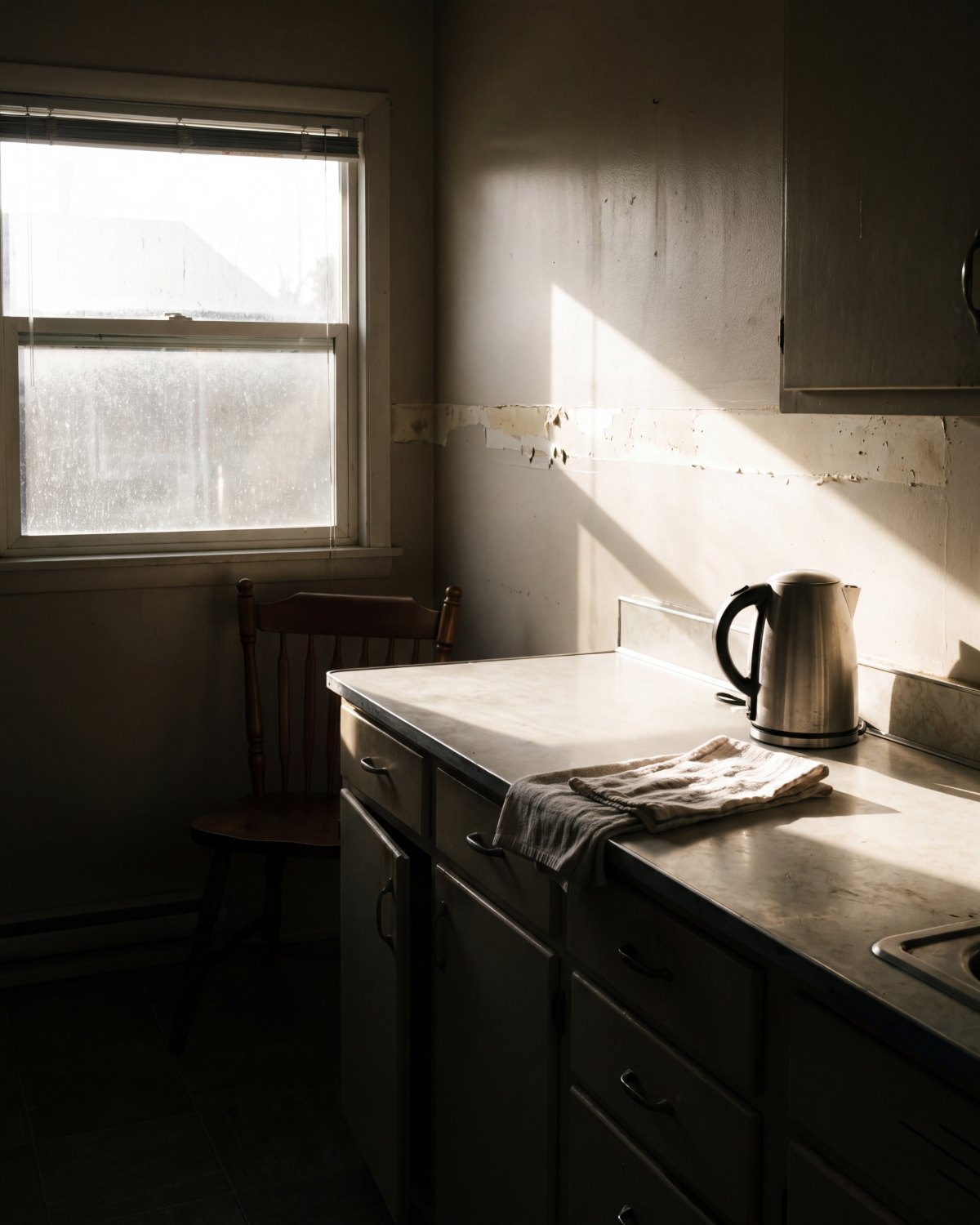
We drove out to a small home with a gravel drive. Our client showed us the porch step she now measured with her foot before trusting her balance. The kitchen light she kept off at certain hours because it started the spiral. The notebook where she tracked what used to be automatic — medications, appointments, the order of simple tasks. Her partner explained how grocery day had become a two-part mission, because the bustle and the refrigerated-aisle glare were too much to handle at once. He teared up.
We didn't interrogate. We listened. We let the camera linger on the pace of a morning, the way she stood to rest her back between stirring and chopping, the way her face hardened and softened as the headache crested.
Another case took us into the city — buses booming past, a crosswalk that flashed too fast, a car in the driveway that couldn't be driven anymore. We walked the yard and saw the empty garden rows, the overgrown grass. Sitting in the too-quiet house we spoke with our client's partner, camera off, questions gentle. They showed us photographs of the previous year's harvest from that same small yard. What mattered wasn't making drama. It was making honest context.
None of this is about invading a private life. It's about showing what the records can't: that recovery isn't a straight line, that symptoms don't respect business hours, that the same person on paper now lives by a different set of rules to get through a day. We used specialists later to explain why those limits made sense. But the everyday footage did the first and most important job. It made the invisible visible.
Good lawyering is sometimes slow and humble. You sit at the kitchen table. You stand on the sidewalk where the near-miss happened. You notice that the railroad crossing is the hardest part of the drive. You meet a client outside work at the end of a shift, when the pain speaks loudest.
We don't film every client — we do what makes sense, to us and to them. Sometimes a few photographs, a timeline and the right specialist are enough. But when it matters, we'll drive the back roads and the city grid, and wait for the late-afternoon glare that turns a kitchen into a migraine.
That's the work that motivates me. Not just winning cases, but seeing people clearly enough to fight for what they actually need to rebuild.
Nicole's own note on this piece: because she guards client privacy, details are changed and experiences are blended. It is a composite, not a single case. Past results don't guarantee similar outcomes.